


COSCO updates its Vietnam–North America vessel schedule for November 2026
1. HO CHII MINH / BA RIA VUNG TAU – LONG BEACH (SEA) VESSEL NAME COMMON VOYAGE BA RIA…


The Plywood sector is an important segment within Vietnam’s broader wood and wood products industry. Plywood is widely used in construction, furniture manufacturing, packaging, film-faced boards, concrete formwork, interior decoration and industrial material supply chains.
In recent years, Vietnam has become one of Asia’s major wood manufacturing and export hubs. Alongside finished wooden furniture, plywood and wood-based panels play an important role in international construction material supply, furniture manufacturing and industrial packaging.
For the logistics industry, plywood is a high-volume cargo group that is usually transported by ocean containers. It requires proper moisture control, strong packaging, clear timber-origin documentation and compliance with traceability requirements in major import markets such as the United States, the European Union, Japan and South Korea.
Vietnam’s wood industry remains one of the country’s key export sectors. According to Vietnam Customs data cited by VnEconomy, Vietnam’s exports of wood and wooden products reached approximately USD 18.5 billion in 2025, up 6.6% year on year. This was a major milestone as the industry surpassed the USD 17 billion level for the first time and recorded a trade surplus of nearly USD 14.9 billion.
Some other sources reported Vietnam’s 2025 wood and wood product exports at around USD 17.2 billion, up nearly 6% from 2024. The difference may come from classification scope, update timing or reporting methodology between “timber and wood products” and “wood and wooden products.”
In 2026, the sector continued to maintain stable exports. In the first quarter of 2026, Vietnam’s exports of wood and wood products reached nearly USD 3.99 billion, up approximately 1.4% year on year. In March 2026 alone, export turnover exceeded USD 1.39 billion, up 43.79% from February 2026 but down 5.41% from March 2025.
These figures show that Vietnam’s wood industry continues to maintain competitiveness despite challenges from consumer demand, trade policy, anti-circumvention measures and requirements for legal timber origin.
Plywood is one of the most important engineered wood products. It is made by bonding multiple thin layers of veneer together using specialized adhesives. Thanks to its durability, light weight, workability and structural stability, plywood is widely used in:
Unlike finished wooden furniture, plywood is mainly a B2B product serving contractors, furniture manufacturers, building-material distributors, industrial buyers, importers and international trading companies.
Vietnam is increasingly recognized as a notable plywood supplier in Asia, especially for film-faced plywood, commercial plywood and packing plywood. The United States, the EU, South Korea, Japan and the Middle East remain important markets for plywood products that meet quality standards and timber-origin requirements.
The United States remains the largest market for Vietnam’s wood industry. In 2025, Vietnam’s exports of wood and wood products to the U.S. reached around USD 9.46 billion, up 4.4% year on year and accounting for approximately 55% of the industry’s total export value.
In the first quarter of 2026, the U.S. remained the leading destination, accounting for around 49.09% of Vietnam’s total wood and wood product exports, with export value of nearly USD 1.96 billion. However, exports to the U.S. declined by about 8.28% compared with the same period in 2025, showing continued pressure from demand, inventory levels, tariff policy and trade risks.
Other key markets include:
In Q1/2026, exports of wood and wood products to RCEP markets reached around USD 1.43 billion, accounting for 35.75% of the total and increasing 15.72% year on year. Exports to CPTPP markets reached around USD 792.3 million, accounting for 19.86% and increasing 6.98%.
For plywood specifically, the United States remains one of the most important markets, especially for film-faced plywood, hardwood plywood and industrial plywood used in construction, furniture and packaging. However, it is also a market with strict requirements on origin, anti-dumping, anti-circumvention and import compliance.
Plywood has different export characteristics compared with finished furniture. It is usually exported in sheets, bundles, pallets or full containers. Main product types include:
Plywood orders are usually large-volume B2B shipments, priced by cubic meter or container, and require detailed technical specifications such as:
From a logistics perspective, plywood is relatively heavy, takes up significant space and must be handled carefully to avoid warping, moisture damage, scratches or damaged sheet edges.
The Plywood sector creates stable logistics demand due to regular B2B export orders, containerized shipments and consistent demand from construction, furniture, packaging and industrial markets.
Common logistics services for plywood include:
Plywood is usually transported by sea because of its large volume and moderate value per cubic meter compared with high-value products such as electronics or pharmaceuticals. Therefore, container optimization, sailing schedules, transit time and loading plans are critical.
Ocean freight is the main transportation mode for plywood. Cargo is usually shipped in dry containers, mainly by FCL. For large orders, exporters may ship multiple containers in one batch, especially to the U.S., EU, South Korea, Japan and the Middle East.
Common container types include:
Because plywood is relatively heavy, 20-foot containers are often used to optimize payload. For lighter plywood types or well-optimized packing, 40-foot or 40HC containers may be considered depending on actual weight and volume.
Plywood is often produced in areas close to timber resources, plywood factories or industrial zones. Finished goods are then transported by truck or container trailer to seaports.
Important domestic routes include:
Some shipments may combine road, inland waterway and ocean freight to reduce cost. This is especially suitable for factories located far from ports or large export orders consolidated from multiple production sites.
This is a very important export route for Vietnam’s wood and wood products. Plywood exported to the U.S. usually requires careful control of timber-origin documents, HS codes, customs declarations, import regulations and issues related to anti-dumping or anti-circumvention duties.
Because the U.S. accounts for a large share of Vietnam’s wood exports, any change in U.S. trade policy can directly affect orders, shipping schedules and logistics demand.
The EU has strict requirements on traceability, legal timber origin, environmental standards and emissions. For plywood exporters, preparing timber-origin documents, relevant certificates and export documentation is essential.
Japan and South Korea are stable markets with strict requirements on product quality, sheet size, flatness, moisture level and technical standards. Plywood shipped to these markets is often used in construction, furniture, packaging and industrial production.
The Middle East has strong demand for construction materials, including film-faced plywood and construction plywood. This route mainly uses ocean freight and is suitable for high-volume container shipments.
On the import side, Vietnam may import veneers, adhesives, production materials or wood-processing machinery from China. This route supports the input supply chain for plywood and engineered wood factories.
Plywood is directly related to timber origin, so documentation and compliance are extremely important. Major markets increasingly require exporters to prove legal timber origin, transparent production processes and low risk of origin fraud.
Common documents include:
For the U.S. and EU markets, traceability and anti-circumvention compliance are becoming increasingly important. Reuters reported that the U.S. applied a 20% tariff on Vietnamese shipments and a 40% tariff on goods suspected of being transshipped through Vietnam from third countries. This makes origin documentation and supply-chain transparency especially important for export sectors related to input origin, including wood and plywood.
Plywood may look simple, but it carries several logistics risks if not handled properly.
Common risks include:
Plywood is sensitive to humidity. If the container is damp, poorly ventilated or if the cargo moisture level is too high before loading, products may develop mold, swelling or quality deterioration.
If bundles are not packed securely, loaded unevenly or handled incorrectly, plywood sheet edges can be dented, broken or scratched.
Plywood is relatively heavy. If payload is not calculated carefully, containers may exceed legal weight limits, creating risks during inland trucking, terminal handling or vessel loading.
Incorrect HS codes, inaccurate cargo descriptions, missing timber-origin documents or missing certificates required by the destination market may result in cargo holds, additional inspection, demurrage or storage costs.
Plywood can be affected by anti-dumping, countervailing duty or anti-circumvention investigations. Exporters should maintain clear production records, material-origin documents and export documentation.
The Plywood sector offers strong opportunities for logistics providers because it is a stable, containerized and export-oriented cargo segment.
Key opportunities include:
Logistics companies experienced in wood cargo will have an advantage in loading operations, moisture control, documentation consulting and ocean freight cost optimization.
The outlook for Vietnam’s Plywood sector in 2026 remains generally positive but cautious. Vietnam’s wood industry has a strong export foundation, with Q1/2026 exports reaching nearly USD 3.99 billion for wood and wood products. However, growth was only around 1.4%, indicating that the market is still recovering slowly and remains affected by demand conditions in major markets.
Key trends in 2026 include:
For logistics companies, Plywood remains a strong-demand segment, especially in FCL ocean freight, trucking, customs clearance and export documentation.
The Plywood sector is an important part of Vietnam’s wood and wood product ecosystem. With the broader wood industry reaching around USD 18.5 billion in exports in 2025 and nearly USD 3.99 billion in Q1/2026, plywood continues to play a meaningful role in construction materials, furniture manufacturing and industrial supply chains.
For the logistics industry, plywood is a stable cargo group suitable for containerized ocean freight and requiring strong capabilities in trucking, loading, customs clearance, origin documentation and quality control. However, it also requires attention to moisture, weight, packaging, timber traceability and trade remedy risks.
In the coming years, logistics providers with experience in wood cargo, export compliance and end-to-end transportation solutions will have strong opportunities to grow in the Plywood segment.
Vina Happy Shipping Company Limited provides comprehensive logistics solutions designed to support businesses in international trade and supply chain operations. With services covering sea freight, air freight, road transportation, door-to-door delivery, customs clearance, and import-export support, we are committed to delivering flexible, efficient, and cost-effective logistics services for every shipment.
With a customer-oriented approach, Vina Happy Shipping strives to become a trusted logistics partner for businesses by ensuring reliable handling, competitive pricing, timely delivery, and professional support throughout the entire transportation process. Whether your cargo is shipped domestically or internationally, we are ready to accompany your business with practical logistics solutions that help optimize costs and improve supply chain efficiency.
VINA HAPPY SHIPPING COMPANY LIMITED
Multimodal Transportation Solutions: Sea freight, both international and domestic, road transportation, and air freight.
Complete Supply Chain Solutions: Door-to-door delivery, customs declaration and clearance, and support for import-export entrustment services.
Cost-Effective and Efficient Solutions: Providing competitive pricing together with outstanding service quality.
 Head Office Address:: No. 10 Luong Dinh Cua Street, Quarter 29, An Khanh Ward, Ho Chi Minh City, Vietnam
Hanoi Branch: No. 200 My Dinh Street, Tu Liem Ward, Ha Noi City, Vietnam
 Contact: (+84) 28 6674 3878
 Email: cus@vhshipping.com
 Website: https://vhshipping.com/
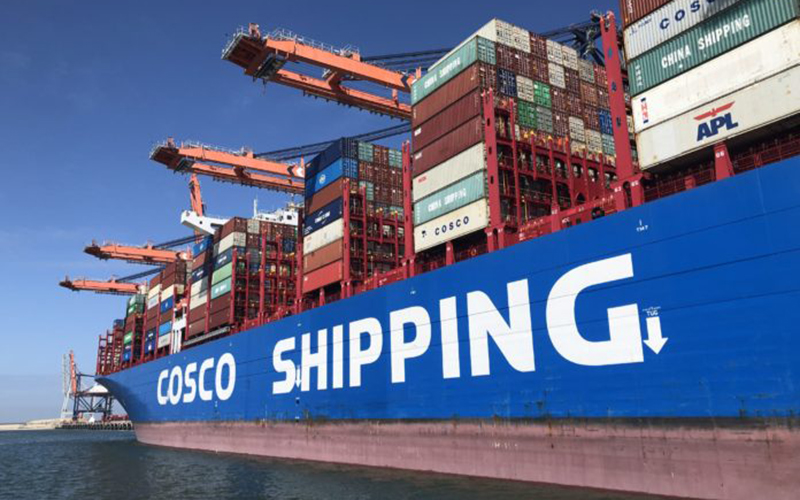
1. HO CHII MINH / BA RIA VUNG TAU – LONG BEACH (SEA) VESSEL NAME COMMON VOYAGE BA RIA…

An Overview of Container Shipping Methods for Businesses Requiring Freight Transportation Services Unlike traditional shipping methods, container shipping offers three…
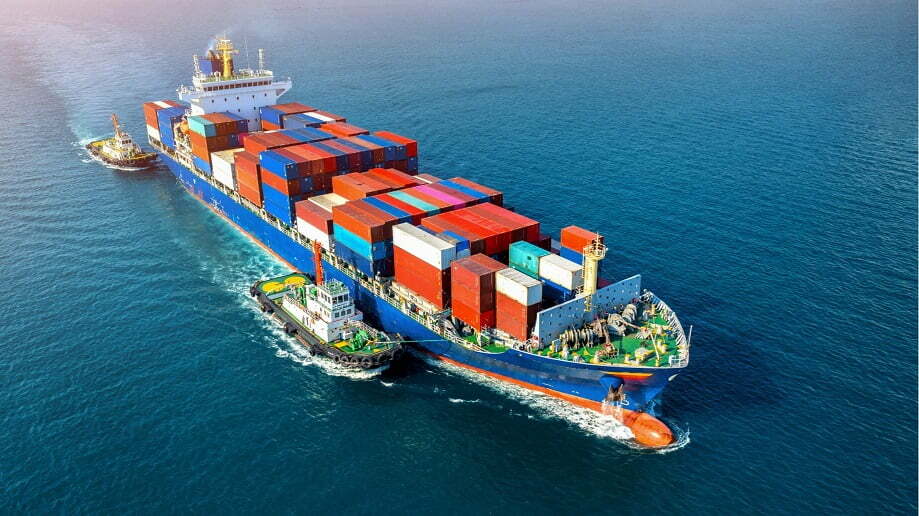
Sea Freight Bill of Lading Issuance Process October 14, 2026 Detailed Information on the Sea Freight Bill of Lading Issuance…

An Overview of the VNACCS VCIS Customs System for Businesses of All Sizes VNACCS VCIS is a customs system consisting…
