


COSCO updates its Vietnam–North America vessel schedule for November 2026
1. HO CHII MINH / BA RIA VUNG TAU – LONG BEACH (SEA) VESSEL NAME COMMON VOYAGE BA RIA…

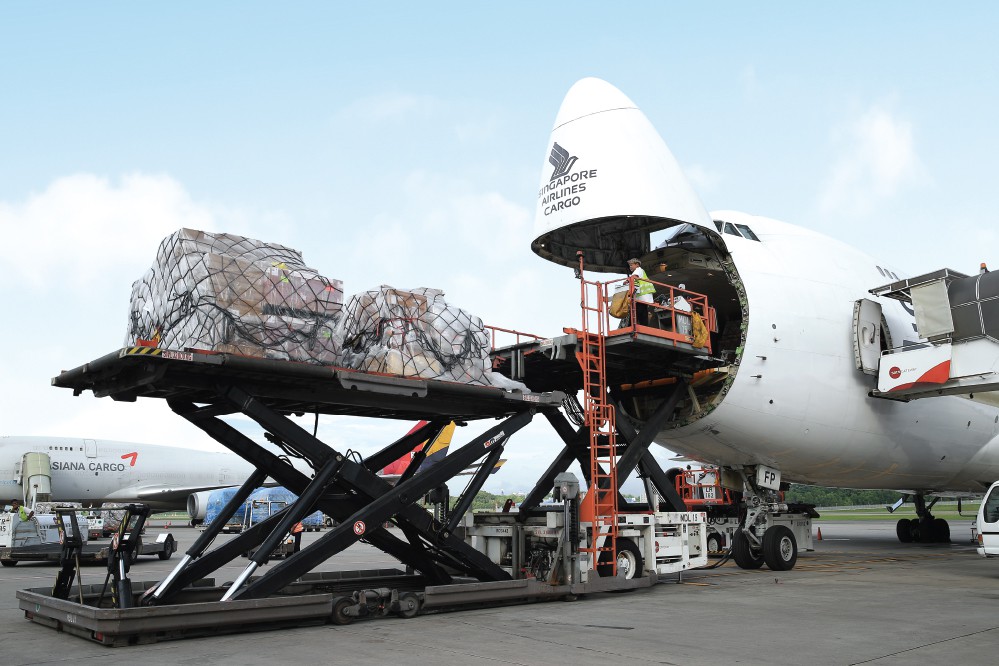
Air freight plays an important role in international trade. Join Vina Happy Shipping as we explore the types of goods suitable for air transportation and learn more about their specific requirements.
Unlike road transportation, air freight is subject to strict security and safety regulations throughout the transportation process. Therefore, understanding how different types of cargo are classified will help shippers better understand the relevant regulations and handling instructions outlined in the IATA Rules.
General cargo refers to goods that do not require special handling due to their packaging, contents, or dimensions. Examples include textiles, cameras, footwear, and similar products.
However, not every shipment is suitable for air transportation. Before acceptance, the dimensions of each package must be checked to ensure that it fits within the cargo compartment of the aircraft being used. Packaging must also be sufficiently strong to withstand transportation and handling operations.
Special cargo refers to goods that require specific handling, storage, or transportation procedures due to their characteristics, value, or other special requirements. The following are common categories of special cargo.
AVI codes:
Transporting live animals requires special attention, as specific acceptance conditions and restrictions may apply to their handling, packaging, and transportation.
In general, most animals can be transported on dedicated cargo aircraft, although particularly large or heavy animals may require special authorization. Many types of animals can also be carried in the cargo compartments of passenger aircraft, provided they do not cause odor or otherwise violate the applicable requirements.
Acceptance conditions and packaging specifications for almost all types of animals are detailed in the relevant cargo handling manuals.
An example is the transportation of elephants, which may be permitted only on cargo aircraft and Boeing 747 aircraft, subject to applicable requirements. The age limit is 12 months, and the maximum weight is 400 kg per package. Each animal must be transported in a rigid crate or container that meets a comprehensive set of specific technical requirements.
Code: VAL
Valuable cargo includes shipments with a value of at least 100,000 per kilogram, as well as precious metals, banknotes, and similar items.
These goods must be stored under secure conditions and monitored by airport security services. Such services also oversee transportation between the aircraft and secure vehicles.
Code: DIP
Diplomatic cargo primarily consists of important shipments exchanged between ministers, consular authorities, and embassies. Such cargo may be stored in a designated secure area within a special warehouse.
Code: HUM
Human remains must be transported in compliance with strict documentation, handling, and packaging requirements. These requirements may vary depending on the destination country.
Code: PER
Perishable goods are particularly suitable for air transportation, and cargo space may be prioritized for these shipments.
Examples include fresh meat, fruit, vegetables, and similar products, as well as newspapers and other time-sensitive items.
Dangerous goods are classified into the following nine classes according to their characteristics:
Dangerous goods may pose risks through fire, explosion, leakage, or radiation exposure, potentially endangering:
Therefore, dangerous goods may be transported by air only under specific conditions designed to ensure safety. Potential hazards may arise from flammable substances, explosive materials, corrosive acids, and other hazardous items.
Some dangerous goods may be carried in an aircraft’s cargo compartment, subject to applicable restrictions. Certain items, such as explosives, may be strictly prohibited from air transportation, while other items—including small-arms ammunition, fuel, sulfuric acid, and arsenic—may be transported when they meet the relevant regulatory requirements.
Dangerous goods are generally transported on dedicated cargo aircraft, although certain items may also be carried on passenger or combination aircraft when permitted. For each type of aircraft, regulations may specify maximum package weights, packaging requirements, protective measures, and special labeling.
The applicable conditions and restrictions, including permitted aircraft types and a list of more than 3,000 chemical substances, are detailed in the Dangerous Goods Regulations (DGR).
Code: WET
Examples include eels and meat.
For shipments of eels, plastic sheeting is placed on the pallet before the fish are covered with wet blankets. For meat shipments, plastic sheeting is placed on the pallet to help contain moisture and prevent leakage.
Code: SMELL
Smelly cargo is classified according to the nature and intensity of its odor. Examples may include French cheese, garlic, oils, and certain other odor-producing substances.
Codes: BIG, HEA
When loading oversized cargo, it is necessary to consider whether the item can be secured to or accommodated alongside other pallets.
For heavy cargo, the weight limits per unit of floor area must also be taken into account to ensure safe loading and prevent excessive loads on specific areas of the aircraft floor.
VINA HAPPY SHIPPING COMPANY LIMITED
Multimodal Transportation Solutions: Sea freight, both international and domestic, road transportation, and air freight.
Complete Supply Chain Solutions: Door-to-door delivery, customs declaration and clearance, and support for import-export entrustment services.
Cost-Effective and Efficient Solutions: Providing competitive pricing together with outstanding service quality.
 Head Office Address:: No. 10 Luong Dinh Cua Street, Quarter 29, An Khanh Ward, Ho Chi Minh City, Vietnam
Hanoi Branch: No. 200 My Dinh Street, Tu Liem Ward, Ha Noi City, Vietnam
 Contact: (+84) 28 6674 3878
 Email: cus@vhshipping.com
 Website: https://vhshipping.com/
1. HO CHII MINH / BA RIA VUNG TAU – LONG BEACH (SEA) VESSEL NAME COMMON VOYAGE BA RIA…

An Overview of Container Shipping Methods for Businesses Requiring Freight Transportation Services Unlike traditional shipping methods, container shipping offers three…
Sea Freight Bill of Lading Issuance Process October 14, 2026 Detailed Information on the Sea Freight Bill of Lading Issuance…
An Overview of the VNACCS VCIS Customs System for Businesses of All Sizes VNACCS VCIS is a customs system consisting…
